
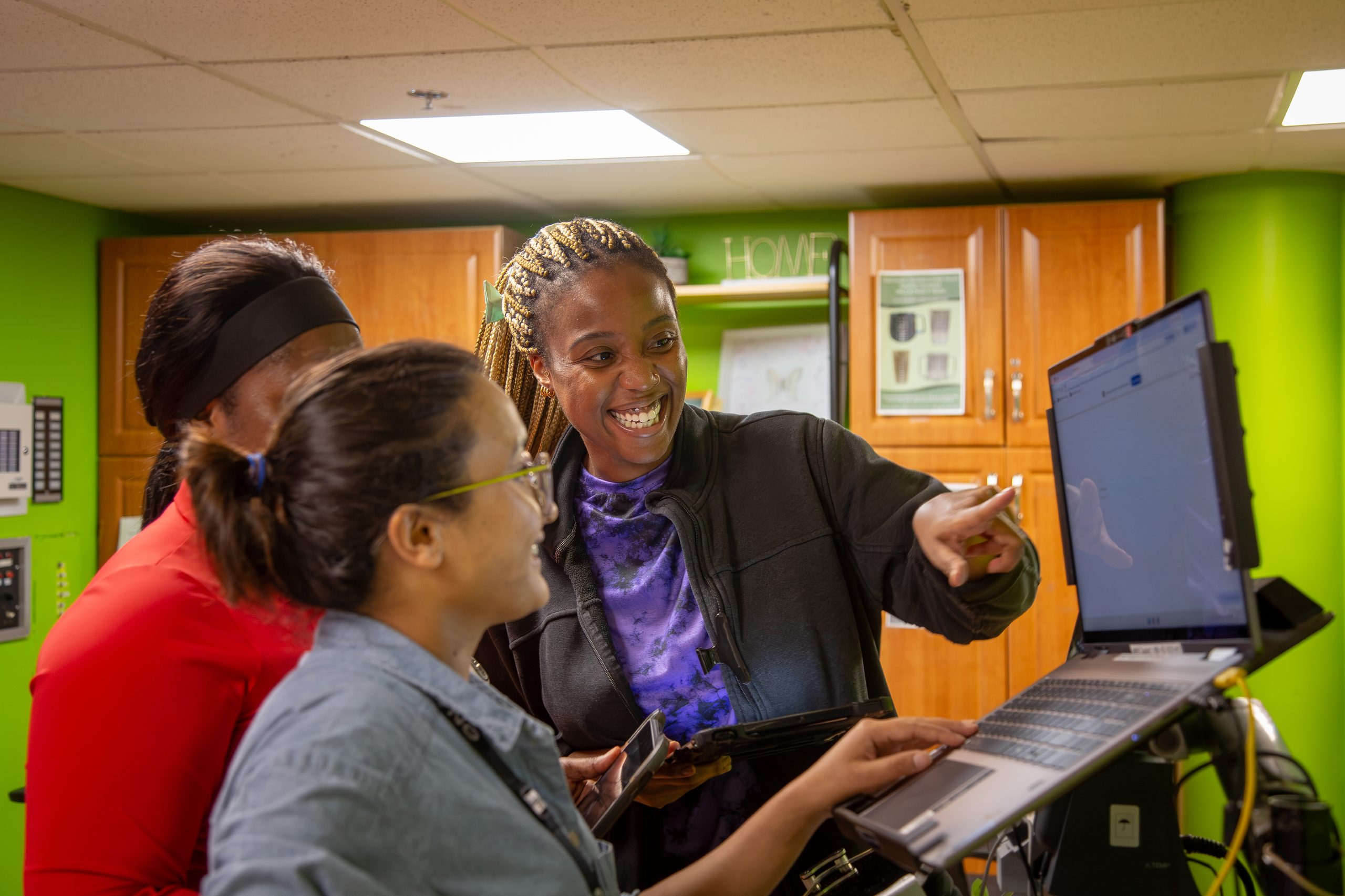
At The O’Neill Centre, learning isn’t a break from the real work; it is the work. You see the culture of growth everywhere, from students being mentored in the halls to team members stepping into leadership roles.
Ontario CLRI education fits naturally into this culture, equipping team members with the knowledge and skills needed to strengthen their existing support to residents.
For Executive Director Jordana Yacob, one of the clearest examples of this culture of support and development is in the home’s approach to students and preceptorship.
The O’Neill Centre in Toronto uses PREP LTC preceptor education to build vital skills like peer coaching and effective debriefing. This ensures team members can properly support students entering the long-term care (LTC) environment. Jordana describes the shift required of experienced team members: “Students are coming in fresh; they’re learning, they’re worried about making mistakes. As a preceptor, how do you pivot from “I’m here, and I’m present” to “how can I also make this a teachable moment?” I think the PREP e-learning course really helps support this mindset.”
Effective support for students can lead to something much bigger. The O’Neill Centre has seen numerous students transition to team members, and others progress through different roles as their careers develop.
“It really does come full circle,” Jordana says, describing the experience of seeing someone move from learning alongside team members to becoming a member of the team.
Different Career Paths: One Thriving Culture
Cinzia Limotta’s story demonstrates the career progression that The O’Neill Centre offers. During her 23 years with the home, she has held a variety of roles, including her current role as a Social Services Coordinator. The home has supported her career development throughout that journey. Her interest in education, including palliative care learning through the Ontario CLRI, stems from a desire to provide residents with the best resources and care possible.
“I think one of the most important pieces is really getting the best resources for the people that live here, the people that care here, and their families,” Cinzia explains. “Because we don’t work in silos, I think connecting our home with the community is also a really important piece.”
Kim Garingalao’s career also reflects the commitment to continuous learning. She first came to the O’Neill Centre as a student from Seneca College in 2019 and later became a program therapist. Today, as a Program Manager, she oversees the program team and helps design meaningful programs for residents. Having benefited from a mentor who invested in her development, Kim has continued to seek opportunities for professional growth, including through Ontario CLRI education.
Professional growth at The O’Neill Centre also means supporting the well-being of the people doing the work. By offering The Working Mind, a training delivered by the Ontario CLRI in partnership with the Mental Health Commission of Canada, the home has created opportunities to reflect on and discuss mental health. For Kim, the program reinforced that LTC workers face unique challenges with end-of-life care and grief, making self-care a necessity.
Celeste, the IPAC Lead at The O’Neill Centre, sees value not only in participating in education, but in what happens afterward. “What really stands out is how important it is for the home to get us participating in these types of initiatives,” she notes. She explains that the O’Neill Centre not only pushes team members to take part, but they also emphasize “the follow-up that comes within [the home] and how we apply what we’ve learned through these educational experiences.”
All for the Benefit of Residents
Ultimately, professional development at The O’Neill Centre comes back to residents. In conversations with various team members, a common theme emerged: the importance of reflecting on resident autonomy and requesting their perspectives on care.
For residents, these relational skills make all the difference. When asked what advice she has for anyone entering long-term care, one resident emphasized the profound value of connection: “I’d tell them to try and work on their empathy. And how important that is for people here, like it really is.”
“How do we make it so that [residents feel] like they’re living at home?” Jordana, Executive Director, The O’Neill Centre
That question captures the purpose behind the O’Neill Centre’s culture of learning.
Better Growth, Better Care
Ontario CLRI education does not sit apart from that culture. It strengthens LTC homes by helping team members mentor future colleagues, grow professionally, support one another and continually reflect on residents’ experiences.
At the O’Neill Centre, investing in people and improving quality of life are part of the same commitment to create a home where team members can continue to grow, and where that growth translates into better experiences for the people they serve.